How Early Swim Confidence Impacts Performance Later in Life
8 min read
By Blue Dolphin Swim School
In this article
People sometimes assume the swimmers who reach the podium got there because of talent. Long arms, big lungs, good genes. Those things help. But after years of watching kids grow up in our pool, from wobbly infants in our Baby Love classes all the way to teenagers training with local swim teams, I’ve come to believe something different.
The kids who go furthest are usually the ones who felt at home in the water before they ever learned a single stroke.
That early comfort doesn’t show up on a stopwatch right away. It’s quiet. You might not even notice it in a three-year-old. But it builds on itself year after year, and by the time a swimmer is twelve or fifteen or thirty, it shapes almost everything about how they move, breathe, and handle pressure in the water.
Fear Takes Up Room
Here’s the simplest way I can explain it. A swimmer who is even a little afraid of the water is always doing two jobs at once. One part of their brain is trying to swim. The other part is quietly making sure they don’t sink.
You can see it in their bodies. Shoulders creep up. Breathing gets short and choppy. Their legs drop because their core is tight instead of relaxed. They grab a breath too early, or hold it too long, because some part of them doesn’t fully trust the next breath will come.
A child who built confidence early doesn’t carry that second job around. The water isn’t something to survive. It’s just where they are. That frees up their attention for the things that actually make swimmers faster: timing, pacing, technique, listening to a coach’s correction and applying it on the very next lap.
Athletes talk about “flow,” that state where everything clicks and effort feels lighter. It’s very hard to reach flow in a place you don’t trust. Early confidence is what makes that trust possible.
The Feel for the Water
Ask a high-level swimmer what separates good from great and many will mention something hard to define: a feel for the water. It’s the ability to sense pressure on the hands and forearms, to notice when a stroke is slipping, to make tiny adjustments without thinking about them.
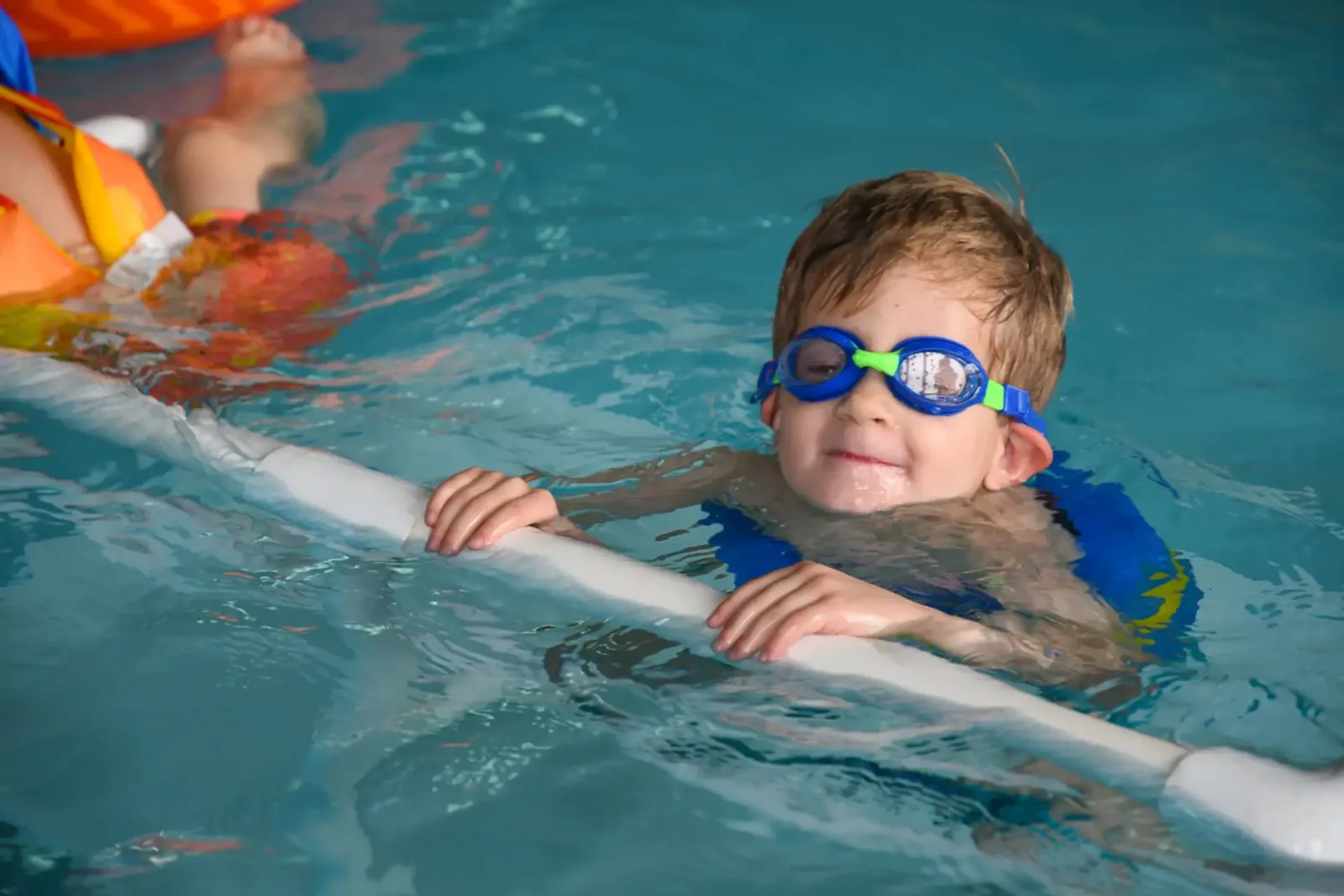
That sensitivity develops through exploration, and exploration only happens when a child feels safe. A relaxed toddler will splash, kick, float, roll over, blow bubbles, and experiment with how the water pushes back. A tense toddler clings to the wall. Both are in the same pool for the same thirty minutes. Only one is collecting the kind of sensory experience that pays off later.
The same goes for body position. A relaxed body floats higher. Hips stay up. Drag goes down. Kids who learn early to trust their buoyancy tend to carry that efficient, streamlined position with them, while swimmers who start later often spend years fighting sinking hips that come from tension, not lack of strength.
Confidence Compounds
I like to think of early confidence the way a financial planner thinks about saving early. The amount might look small at first. What matters is how long it has to grow.
A confident child enjoys swimming. A child who enjoys swimming keeps coming back. A child who keeps coming back logs hundreds, then thousands, of hours in the water before they’re even old enough to drive. Somewhere along that path they’re ready for harder skills, like flip turns, underwater dolphin kicks, and longer breath-control sets, and they’re willing to try them because a mouthful of water or a missed turn doesn’t scare them. It’s just part of learning.
Compare that with a child who was pushed through drills while still nervous. They may learn the strokes. Plenty do. But stress has a way of setting a ceiling. When a race gets tight, or water sneaks into their goggles, or they miss a breath at the wall, the old fear shows up and the technique falls apart. A swimmer with deep-rooted comfort tends to adjust and keep going. A swimmer without it often panics, even if only for a moment, and moments matter in this sport.
I want to be clear about one thing, though. Not every child who swims at our school is headed for a swim team, and that’s completely fine. The benefits here aren’t only about medals. The same calm, adaptable relationship with water is what helps an adult enjoy a lake trip, recover from a fall off a paddleboard, or teach their own kids to swim one day without passing along their nerves.
Why We Lead With Comfort, Not Drills
This is a big part of how we run Blue Dolphin. In our infant and early-level classes, comfort comes first. Songs, play, gentle submersions with a consistent cue, supported back floats, lots of praise. Technique matters, but it sits on top of a foundation, and if that foundation is shaky, everything built on it wobbles.
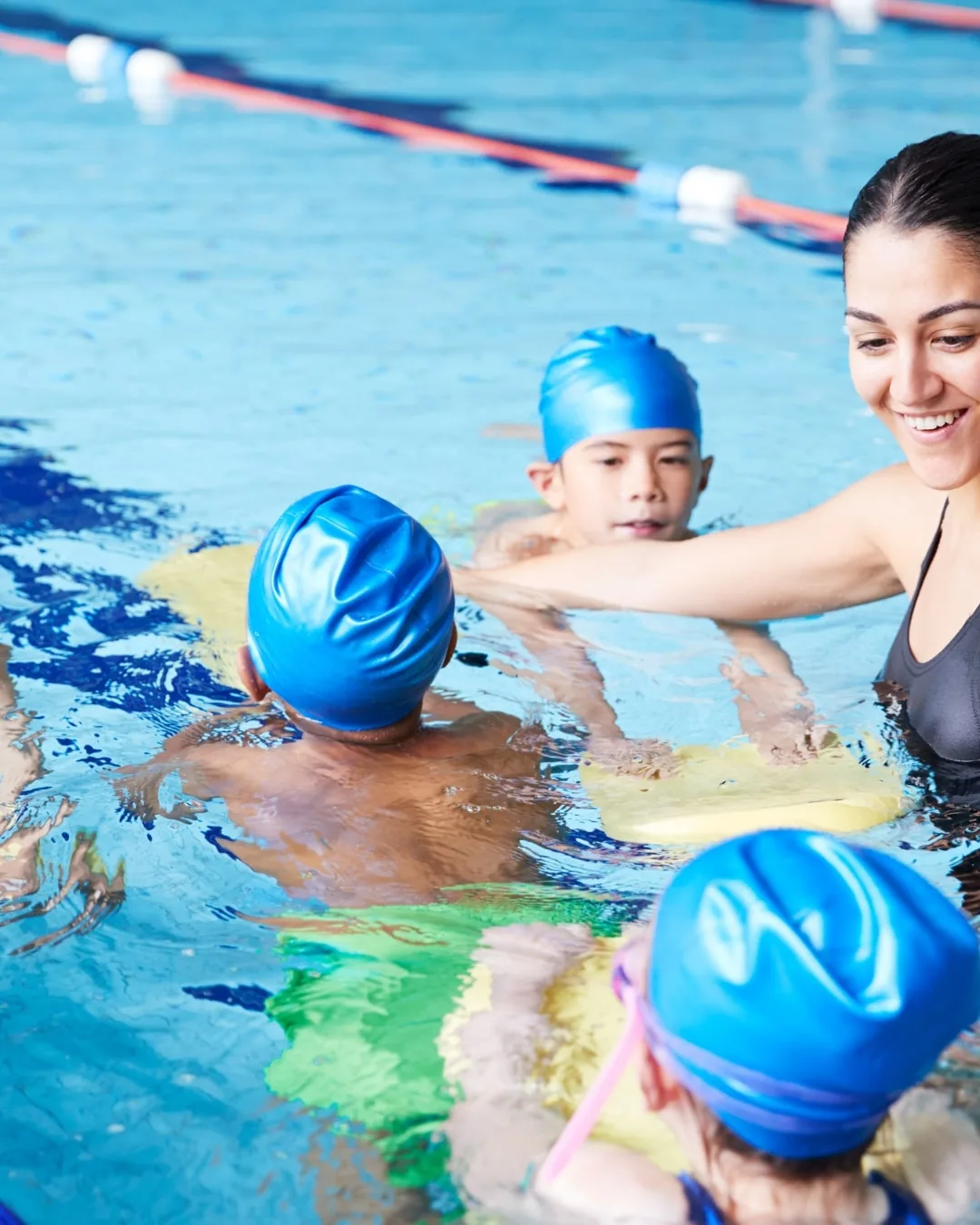
It’s also why we recommend private lessons until a child can swim across our small lesson pool on their own with a side breath. In a one-on-one setting, the instructor can read every tiny sign of hesitation and adjust right away, pushing a little on the good days and backing off on the hard ones. Once that milestone is reached, kids are ready for small group classes at a four-to-one ratio, where they move through our levels from Turtle and Octopus up through Stingray, Dolphin, and our Elite progression.
Some of those swimmers eventually go on to compete with local teams like the Westminster Waves and 5 Parks Piranhas. When I watch them train, I can usually spot the ones who started young. Not because they’re always the fastest at age ten, but because they look so relaxed doing it.
Our own coaching staff knows this path well. Coach Susan swam for the Costa Rican National Team and competed at the 2003 World Aquatics Championships, and she’ll tell you the same thing I’m telling you here: the swimmers who last are the ones who love being in the water.
A Quick Word for Parents
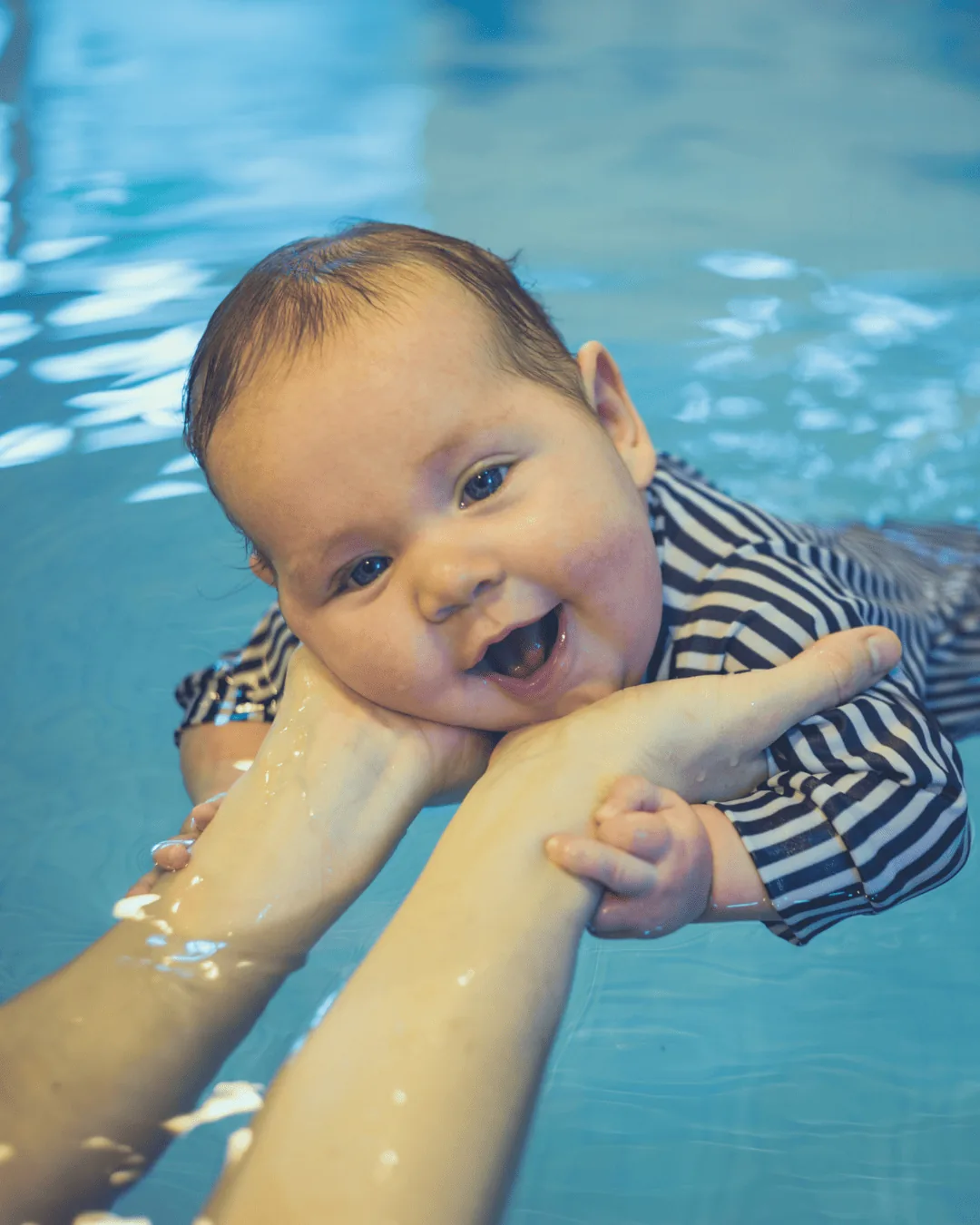
If you take one thing from this, let it be this: don’t rush the early years. A baby who giggles in the water is learning more than you think. A toddler who wants to float on their back for the fifth time in a row is building something real. Let them.
Progress at this age is measured in comfort, not distance. The distance comes later, and it comes faster when the comfort is already there.
Build the Foundation at Blue Dolphin Swim School
Every great swimmer started somewhere, and for a lot of kids in our community, that somewhere is a warm, 92-degree pool and an instructor who’s patient enough to let confidence grow at its own pace. Blue Dolphin Swim School serves families in Westminster, Arvada, Broomfield, Superior, Erie, Thornton, Louisville, Lafayette, Boulder, Denver, and surrounding Colorado communities, with programs for infants as young as 4 months all the way through pre-team and competitive levels.
Visit our Baby Love Infant Swim page to see how we introduce the youngest swimmers to the water, explore our full program lineup at bluedolphinswimschool.com, or register today to get your child started on the right foot. You can also reach our team at 303-254-6920.
Frequently Asked Questions
What is the best age to start building swim confidence?
Many children can begin parent-assisted water introduction around 4 months old, once they have reasonable head control. Earlier exposure in a warm, calm setting gives babies more time to get comfortable before fear or hesitation has a chance to set in. That said, confidence can be built at any age. It just tends to come more naturally when a child starts young.
My child is nervous in the water. Will that hold them back long term?
Not if the fear is handled with patience. Plenty of hesitant kids become strong, relaxed swimmers. The key is avoiding pressure and letting comfort grow before moving into technique-heavy work. Private lessons are especially helpful here, since the instructor can match every activity to your child’s pace.
Does early swim confidence really affect competitive performance?
In our experience, yes. Swimmers who are deeply comfortable in the water tend to breathe more rhythmically, hold a better body position, and stay composed when something goes wrong mid-race. Those traits add up over years of training. Talent and hard work still matter, but comfort is what lets both shine.
Should young children focus on stroke technique or water comfort?
Water comfort first. Babies and toddlers learn best through play, songs, floating, and gentle exploration. Formal stroke technique becomes far easier to teach once a child trusts the water and can relax their body. Pushing technique too early can actually slow progress if it creates tension or anxiety.
Why does Blue Dolphin recommend private lessons for beginners?
We recommend private lessons until a child can swim across our small lesson pool independently with a side breath. One-on-one instruction lets the teacher respond to every bit of progress or hesitation in real time, which helps kids build confidence and skills faster. Once that milestone is reached, children move into small group classes with a four-to-one ratio.
Is it too late to build swim confidence if my child is older?
Never. Older kids and even adults can become confident swimmers. It may take a bit more patience to work through tension or past experiences, but a supportive instructor and consistent practice make a real difference at any age.